发表于: 周三 9月 11, 2013 6:15 am 文章标题: |
|
发表于: 周三 9月 11, 2013 6:15 am 文章标题: |
|
|
cooltouch wrote:
Actually, James, it depends on the effect one is after. But yes, if you're trying to get as clear as possible a shot of the moon, then it's always best to do so on a clear night.
Attila, you're friend told you right. It's helpful to keep in mind that the moon is reflecting the sun, so it doesn't need a long exposure time. 1/125 at f/8 for a ISO 100 setting is "correct." Often I like 1/125 at f/11 just a bit better. It gives me more contrast usually. And when shooting the full moon, you need all the contrast you can get -- because the moon looks sorta flat when it's full. To me, a day or two before or after, the moon is more interesting. This is because the sun's rays are hitting the moon at more of an angle than they are when it's full.
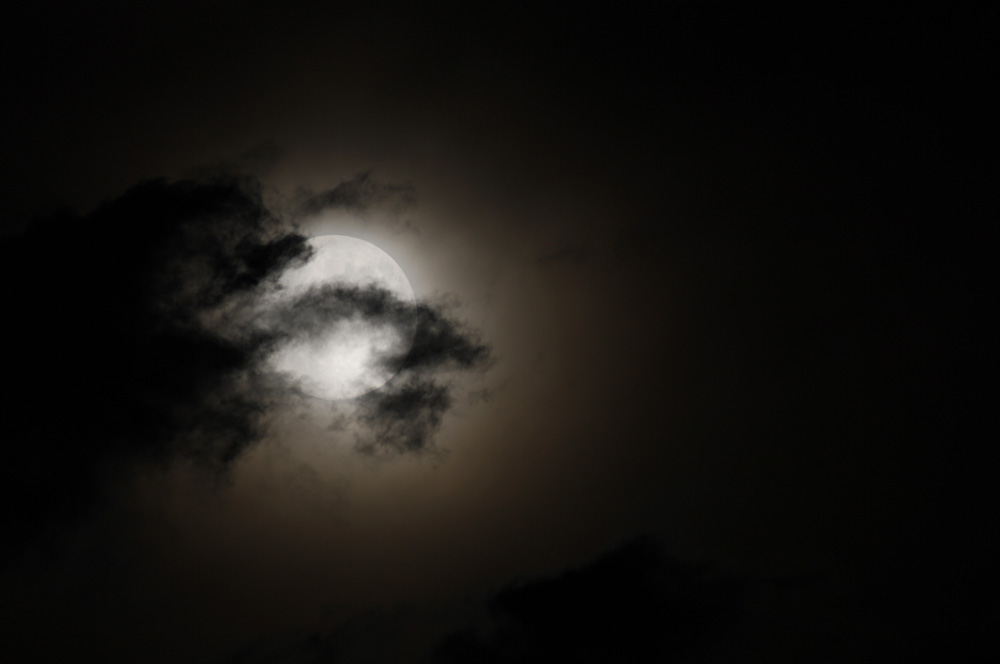
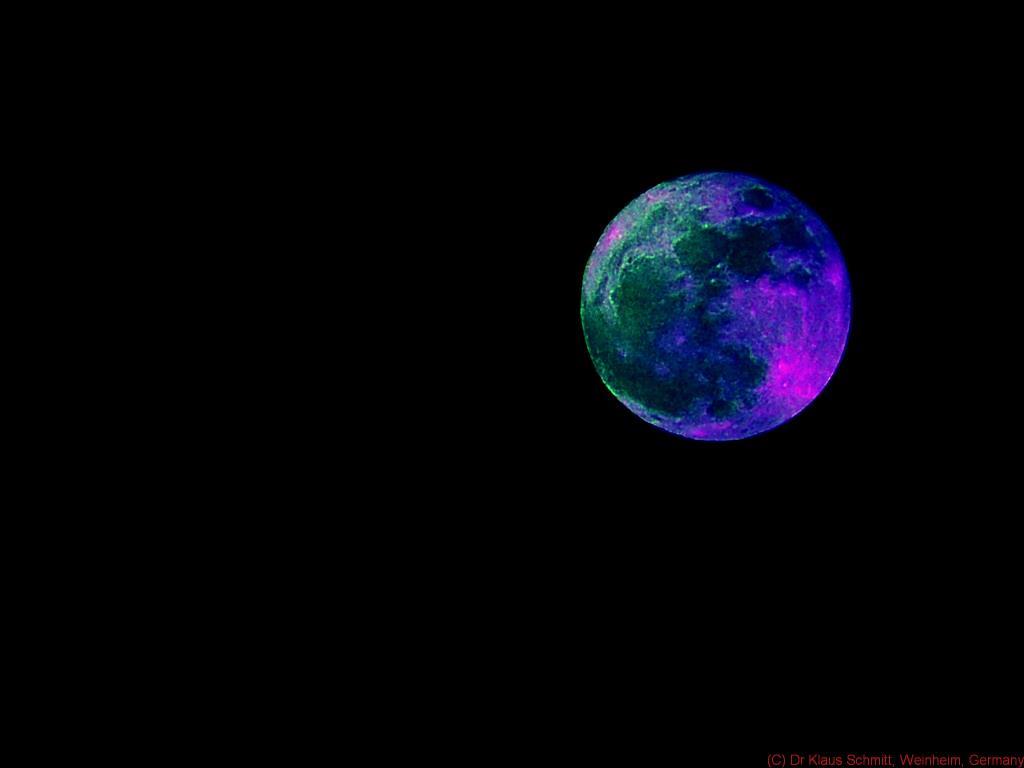
Here's a shot I took, one day away from full, using my Canon XS (1000D) set to ISO 100. The lens was a Century Tele Athenar II 500mm f/5.6 T-mount telephoto, set to f/11. The image was cropped to almost 100% for viewing here. I mounted the camera/lens combo to a sturdy tripod, and used my camera's Live View feature to guestimate focus. I say "guestimate" because even with the lens mounted to a sturdy tripod, the slightest touch causes the image to shake all over the place. So getting an in-focus image is quite a challenge. Because of this I will take maybe 15 or 20 shots at a sitting just to be sure I get at least one in focus.

_________________
Michael
My Gear List: http://michaelmcbroom.com/photo/gear.html
My Gallery: http://michaelmcbroom.com/gallery3/index.php/
My Flickr Page: https://www.flickr.com/photos/11308754@N08/albums
My Music: https://soundcloud.com/michaelmcbroom/albums
My Blog: http://michaelmcbroom.com/blogistan/ |
 中文
 English
 Español
 Magyar
 Русский
 Deutsch
 日本語
 Français