| 查看上一个主题 :: 查看下一个主题 |
| 作者 |
内容 |
caspert79 


注册时间: 2010年10月31日
文章: 3916
来自: The Netherlands
|
 发表于: 周三 1月 24, 2024 5:07 pm 文章标题: Sigma 180mm f/5.6 APO |
|
发表于: 周三 1月 24, 2024 5:07 pm 文章标题: Sigma 180mm f/5.6 APO |
|
|
caspert79 wrote:
Just received this lens I bought very cheaply from Japan. It has 2 really tiny fungus spots on the rear element that don't seem to appear on the image. It's now in my UV-C sterilizer, so the fungus will probably be killed and prevented from spreading further. The notorious sticky coating on the lens barrel has already been thoroughly removed by the former owner, which is a plus.
There is a MF and an AF version of the lens. I have the AF version, as the MF version is very hard to find. I use it with a manual MAF-Sony E adapter. Build quality is better than expected. Main advantages of this lens are that A) the lens is super tiny for a 200mm-ish lens, B) it has APO performance and C) can focus real close. It seems to be a great tele for traveling. Took a few shots around the house, and the results are quite promising IMO!
Click for full size.
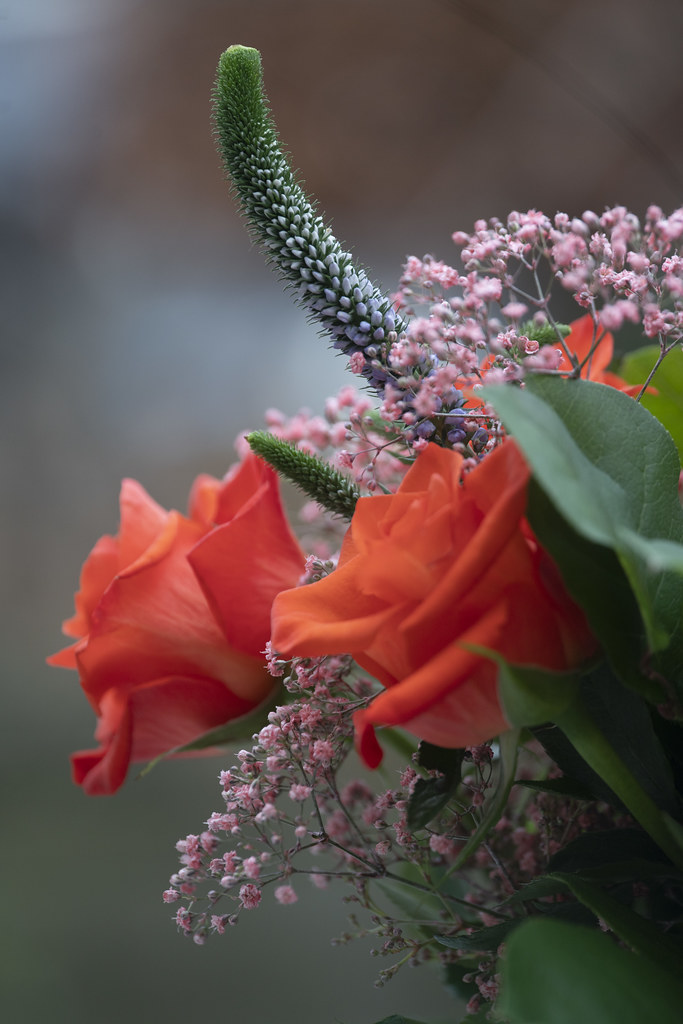 SIGMAAF18056APO_1 by devoscasper, on Flickr
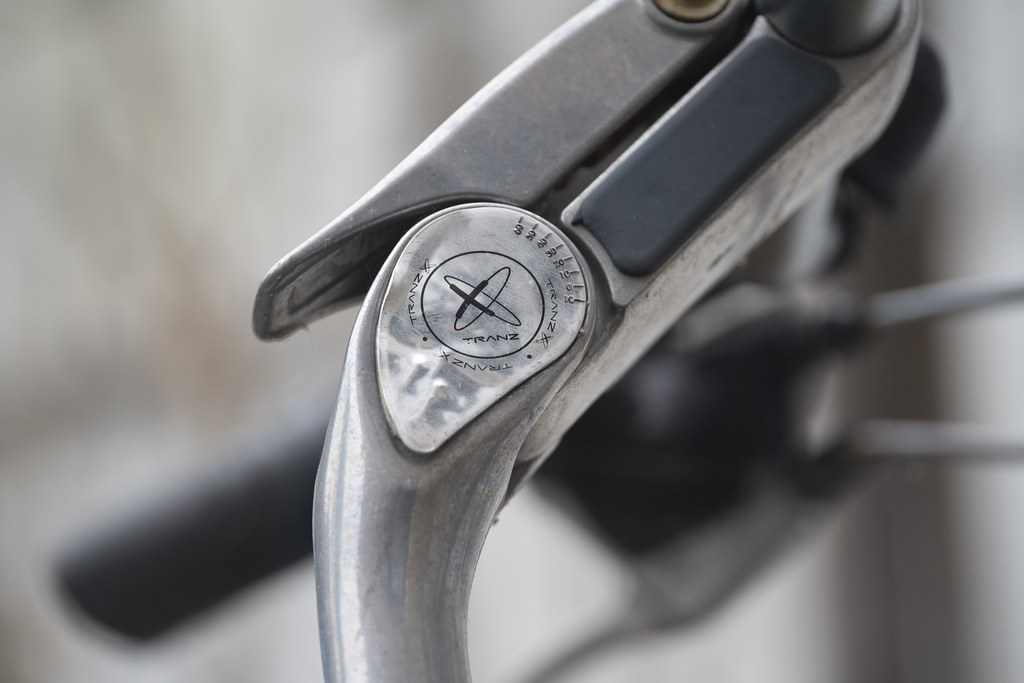 SIGMAAF18056APO by devoscasper, on Flickr |
|
| 返回顶部 |
|
 |
Dejan


注册时间: 2021年1月5日
文章: 184
来自: Belgrade
|
发表于: 周三 1月 24, 2024 8:04 pm 文章标题: |
|
发表于: 周三 1月 24, 2024 8:04 pm 文章标题: |
|
|
Dejan wrote:
It's a pretty sharp and versatile lens (it performs pretty well at infinity as well, and it's easy to carry around). I enjoyed using it. The build quality is the only issue I had. Of course, I'd prefer it to be F2.8 or something like that; but then the size and weight would be quite different. I'd say it's a lens for those who really know what they want, so they are fine with 1:2 mag. ratio and slow speed. I liked the overall rendering too. The bokeh and colours are really nice, and sharpness won't be an issue... |
|
| 返回顶部 |
|
|
alex_d

注册时间: 2019年1月19日
文章: 553
|
发表于: 周三 1月 24, 2024 9:06 pm 文章标题: |
|
发表于: 周三 1月 24, 2024 9:06 pm 文章标题: |
|
|
alex_d wrote:
"..UV-C sterilizer," - what is this things, self made or a ready product?
I use to take a sun bath with lenses from time to time ... |
|
| 返回顶部 |
|
|
caspert79
注册时间: 2010年10月31日
文章: 3916
来自: The Netherlands
|
发表于: 周三 1月 24, 2024 9:17 pm 文章标题: |
|
发表于: 周三 1月 24, 2024 9:17 pm 文章标题: |
|
|
caspert79 wrote:
It’s basically a box with uv-c lights and a mirror on the inside, meant to sterilize toys and other stuff. |
|
| 返回顶部 |
|
|
caspert79
注册时间: 2010年10月31日
文章: 3916
来自: The Netherlands
|
发表于: 周三 1月 24, 2024 9:37 pm 文章标题: |
|
发表于: 周三 1月 24, 2024 9:37 pm 文章标题: |
|
|
caspert79 wrote:
| Dejan 写道: |
| It's a pretty sharp and versatile lens (it performs pretty well at infinity as well, and it's easy to carry around). I enjoyed using it. The build quality is the only issue I had. Of course, I'd prefer it to be F2.8 or something like that; but then the size and weight would be quite different. I'd say it's a lens for those who really know what they want, so they are fine with 1:2 mag. ratio and slow speed. I liked the overall rendering too. The bokeh and colours are really nice, and sharpness won't be an issue... |
I was looking for a while for a very compact lens in this focal range, that still delivers very solid optical performance. I don’t use this focal length an awful lot, I don’t want it to be a burden to take with me. So there’s not many options besides this lens (I paid 32€ + shipping), except for the Voigtlander 180/4 that usually goes for >1000€. |
|
| 返回顶部 |
|
|
BrianSVP

注册时间: 2023年6月9日
文章: 664
来自: Philadelphia
|
发表于: 周四 1月 25, 2024 3:32 pm 文章标题: |
|
发表于: 周四 1月 25, 2024 3:32 pm 文章标题: |
|
|
BrianSVP wrote:
Honestly, there's absolutely no point to UV sterilizing a lens like this since a) if the lens is stored properly in dry conditions, the fungus will already be dead anyway and will not spread further, and b) the spores that cause fungal infections are ubiquitous in the air, and there's no such thing as a truly hermetically sealed camera lens, at least for anything vintage sold to end users. Even if you've managed to destroy the spores in a lens at any given time, it will draw more in it the moment you use it again.
Furthermore, the contention that lenses can "infect" each other is a myth as well. If multiple items stored together all develop fungus, it's not because fungus has magically jumped from one to another but rather because they're all stored improperly, and fungal spores in the dust already present in the lenses have become active due to environmental conditions conducive to fungal growth. In fact, putting lenses together in a bag makes it less likely that spores will spread from one to another, since there is little air circulation to carry the spores from place to place.
This is all information I have first-hand from a Cornell-trained PhD mycologist, whose opinion I respect quite a bit. |
|
| 返回顶部 |
|
|
stevemark
注册时间: 2011年4月29日
文章: 5511
来自: Switzerland
|
发表于: 周四 1月 25, 2024 8:22 pm 文章标题: |
|
发表于: 周四 1月 25, 2024 8:22 pm 文章标题: |
|
|
stevemark wrote:
| BrianSVP 写道: |
Honestly, there's absolutely no point to UV sterilizing a lens like this since a) if the lens is stored properly in dry conditions, the fungus will already be dead anyway and will not spread further, and b) the spores that cause fungal infections are ubiquitous in the air, ...
This is all information I have first-hand from a Cornell-trained PhD mycologist, whose opinion I respect quite a bit. |
Thanks for pointing out this again. Being a scientist myself (although in the field of chemistry/physics) I'v tried repeatedly to inform people here on the forum before ...
German Max Planck Institute for Chemistry says roughly 1000-10'000 spores per m3 in clean air, and back in 2008 they measured several hundred different species.
https://www.mpg.de/571443/pressemitteilung200907101
S
_________________
www.artaphot.ch |
|
| 返回顶部 |
|
|
mr_tibbs2004
注册时间: 2021年7月23日
文章: 170
来自: United States
|
发表于: 周四 1月 25, 2024 8:29 pm 文章标题: |
|
发表于: 周四 1月 25, 2024 8:29 pm 文章标题: |
|
|
mr_tibbs2004 wrote:
| stevemark 写道: |
| BrianSVP 写道: |
Honestly, there's absolutely no point to UV sterilizing a lens like this since a) if the lens is stored properly in dry conditions, the fungus will already be dead anyway and will not spread further, and b) the spores that cause fungal infections are ubiquitous in the air, ...
This is all information I have first-hand from a Cornell-trained PhD mycologist, whose opinion I respect quite a bit. |
Thanks for pointing out this again. Being a scientist myself (although in the field of chemistry/physics) I'v tried repeatedly to inform people here on the forum before ...
German Max Planck Institute for Chemistry says roughly 1000-10'000 spores per m3 in clean air, and back in 2008 they measured several hundred different species.
https://www.mpg.de/571443/pressemitteilung200907101
S |
But...but.....id they can get into the lenses, they can get into my lungs!!! We all gonna die!!  |
|
| 返回顶部 |
|
|
RokkorDoctor

注册时间: 2021年11月27日
文章: 1562
来自: Kent, UK
Expire: 2025-05-01
|
发表于: 周四 1月 25, 2024 8:49 pm 文章标题: |
|
发表于: 周四 1月 25, 2024 8:49 pm 文章标题: |
|
|
RokkorDoctor wrote:
| stevemark 写道: |
| BrianSVP 写道: |
Honestly, there's absolutely no point to UV sterilizing a lens like this since a) if the lens is stored properly in dry conditions, the fungus will already be dead anyway and will not spread further, and b) the spores that cause fungal infections are ubiquitous in the air, ...
This is all information I have first-hand from a Cornell-trained PhD mycologist, whose opinion I respect quite a bit. |
Thanks for pointing out this again. Being a scientist myself (although in the field of chemistry/physics) I'v tried repeatedly to inform people here on the forum before ...
German Max Planck Institute for Chemistry says roughly 1000-10'000 spores per m3 in clean air, and back in 2008 they measured several hundred different species.
https://www.mpg.de/571443/pressemitteilung200907101
S |
Indeed, I have also mentioned this on many occasions here, but it tends to fall on deaf ears.
The best way to avoid fungus is to store lenses below 60% RH, and to keep them clean from dust and other organic contamination. Without enough moisture fungal spores don't germinate, and without food any germination that does occur will be self-limiting.
According to Zeiss, the danger zone for spore germination is 3 or more days of sustained RH levels over 70%, which ties in with what I have read elsewhere:
https://www.zeiss.co.uk/consumer-products/service/content/fungus-on-lenses.html
_________________
Mark
SONY A7S, A7RII + dust-sealed modded Novoflex/Fotodiox/Rayqual MD-NEX adapters
Minolta SR-1, SRT-101/303, XD7/XD11, XGM, X700
Bronica SQAi
Ricoh GX100
Minolta majority of all Rokkor SR/AR/MC/MD models made
Sigma 14mm/3.5 for SR mount
Tamron SP 60B 300mm/2.8 (Adaptall)
Samyang T-S 24mm/3.5 (Nikon mount, DIY converted to SR mount)
Schneider-Kreuznach PC-Super-Angulon 28mm/2.8 (SR mount)
Bronica PS 35/40/50/65/80/110/135/150/180/200/250mm |
|
| 返回顶部 |
|
|
caspert79
注册时间: 2010年10月31日
文章: 3916
来自: The Netherlands
|
发表于: 周四 1月 25, 2024 9:17 pm 文章标题: |
|
发表于: 周四 1月 25, 2024 9:17 pm 文章标题: |
|
|
caspert79 wrote:
| RokkorDoctor 写道: |
| stevemark 写道: |
| BrianSVP 写道: |
Honestly, there's absolutely no point to UV sterilizing a lens like this since a) if the lens is stored properly in dry conditions, the fungus will already be dead anyway and will not spread further, and b) the spores that cause fungal infections are ubiquitous in the air, ...
This is all information I have first-hand from a Cornell-trained PhD mycologist, whose opinion I respect quite a bit. |
Thanks for pointing out this again. Being a scientist myself (although in the field of chemistry/physics) I'v tried repeatedly to inform people here on the forum before ...
German Max Planck Institute for Chemistry says roughly 1000-10'000 spores per m3 in clean air, and back in 2008 they measured several hundred different species.
https://www.mpg.de/571443/pressemitteilung200907101
S |
Indeed, I have also mentioned this on many occasions here, but it tends to fall on deaf ears.
The best way to avoid fungus is to store lenses below 60% RH, and to keep them clean from dust and other organic contamination. Without enough moisture fungal spores don't germinate, and without food any germination that does occur will be self-limiting.
According to Zeiss, the danger zone for spore germination is 3 or more days of sustained RH levels over 70%, which ties in with what I have read elsewhere:
https://www.zeiss.co.uk/consumer-products/service/content/fungus-on-lenses.html |
The same website also says “ Short solar radiation or irradiation with UV light may also help avoiding fungus.â€
Conditions in my cabinet are probably generally OK to store lenses, although I don’t keep track of humidity. However, I don’t know how the lenses were stored in Japan, and the conditions while shipping are probably less than ideal. Doesn’t hurt to knock down any possible spreading fungus quickly with some UV I figured. Probably not necessary, but better safe than sorry. |
|
| 返回顶部 |
|
|
visualopsins
注册时间: 2009年3月5日
文章: 11704
来自: California
Expire: 2027-07-11
|
发表于: 周四 1月 25, 2024 9:58 pm 文章标题: |
|
发表于: 周四 1月 25, 2024 9:58 pm 文章标题: |
|
|
visualopsins wrote:
There is a difference between a fungus spore murdered by exposure to UV light and a dormant fungus spore. One provides the scaffolding for new spore growth when conditions are favorable. One continues to grow when conditions are favorable.
I've also heard favorable conditions 70% humidity for three days. And I've heard powdery mildew crop infection occurs when ambient temperature drops to below 40F.
_________________
☮☮☮☮☮☮☮☮☮☮☮☮☮☮☮☮☮☮☮☮☮☮☮☮☮☮☮☮☮☮☮☮ like attracts like! ☮☮☮☮☮☮☮☮☮☮☮☮☮☮☮☮☮☮☮☮☮☮☮☮☮☮☮☮☮☮☮☮
Cameras: Sony ILCE-7RM2, Spotmatics II, F, and ESII, Nikon P4
Lenses:
M42 Asahi Optical Co., Takumar 1:4 f=35mm, 1:2 f=58mm (Sonnar), 1:2.4 f=58mm (Heliar), 1:2.2 f=55mm (Gaussian), 1:2.8 f=105mm (Model I), 1:2.8/105 (Model II), 1:5.6/200, Tele-Takumar 1:5.6/200, 1:6.3/300, Macro-Takumar 1:4/50, Auto-Takumar 1:2.3 f=35, 1:1.8 f=55mm, 1:2.2 f=55mm, Super-TAKUMAR 1:3.5/28 (fat), 1:2/35 (Fat), 1:1.4/50 (8-element), Super-Multi-Coated Fisheye-TAKUMAR 1:4/17, Super-Multi-Coated TAKUMAR 1:4.5/20, 1:3.5/24, 1:3.5/28, 1:2/35, 1:3.5/35, 1:1.8/85, 1:1.9/85 1:2.8/105, 1:3.5/135, 1:2.5/135 (II), 1:4/150, 1:4/200, 1:4/300, 1:4.5/500, Super-Multi-Coated Macro-TAKUMAR 1:4/50, 1:4/100, Super-Multi-Coated Bellows-TAKUMAR 1:4/100, SMC TAKUMAR 1:1.4/50, 1:1.8/55
M42 Carl Zeiss Jena Flektogon 2.4/35
Contax Carl Zeiss Vario-Sonnar T* 28-70mm F3.5-4.5
Pentax K-mount SMC PENTAX-A ZOOM 1:3.5 35~105mm, SMC PENTAX ZOOM 1:4 45~125mm
Nikon Micro-NIKKOR-P-C Auto 1:3.5 f=55mm, NIKKOR-P Auto 105mm f/2.5 Pre-AI (Sonnar), Micro-NIKKOR 105mm 1:4 AI, NIKKOR AI-S 35-135mm f/3,5-4,5
Solinon 1:5.6/18 ASPH.
Tamron SP 17mm f/3.5 (51B), Tamron SP 17mm f/3.5 (151B), SP 500mm f/8 (55BB), SP 70-210mm f/3.5 (19AH)
Vivitar 100mm 1:2.8 MC 1:1 Macro Telephoto (Kiron)
|
|
| 返回顶部 |
|
|
alex_d
注册时间: 2019年1月19日
文章: 553
|
发表于: 周四 1月 25, 2024 10:02 pm 文章标题: |
|
发表于: 周四 1月 25, 2024 10:02 pm 文章标题: |
|
|
alex_d wrote:
ok , not aware of toy uv-c 'cleaning' light, but i get the concept.
the sun is highly effective.
when it shines.
and while is still for free.
but it looks like not for long. |
|
| 返回顶部 |
|
|
caspert79
注册时间: 2010年10月31日
文章: 3916
来自: The Netherlands
|
发表于: 周一 1月 29, 2024 12:23 pm 文章标题: |
|
发表于: 周一 1月 29, 2024 12:23 pm 文章标题: |
|
|
caspert79 wrote:
Stack of 5 images @ f/8 (click for full size):
 2024-01-29 13-07-53 (B,R8,S4) by devoscasper, on Flickr |
|
| 返回顶部 |
|
|
stevemark
注册时间: 2011年4月29日
文章: 5511
来自: Switzerland
|
发表于: 周一 1月 29, 2024 2:08 pm 文章标题: |
|
发表于: 周一 1月 29, 2024 2:08 pm 文章标题: |
|
|
stevemark wrote:
| visualopsins 写道: |
There is a difference between a fungus spore murdered by exposure to UV light and a dormant fungus spore. One provides the scaffolding for new spore growth when conditions are favorable. One continues to grow when conditions are favorable.
|
Problem is that - at any moment - you have literally thousands of spores in every m3 of air ...
And - not mentioned yet - glass is blocking UV-C completely ... (well, we are using quartz for UV spectroscopy, and not glass. And guess why lenses for UV photography are that expensive ... well, they only use quartz and fluorite lenses, no glass ...). And high refractive glass (used in nearly every lens from the 1970s onwards) has a low transmission even for the deep violet VIS spectrum ...
S
_________________
www.artaphot.ch |
|
| 返回顶部 |
|
|
blotafton

注册时间: 2013年8月8日
文章: 1794
来自: Sweden
|
发表于: 周三 1月 31, 2024 11:31 pm 文章标题: |
|
发表于: 周三 1月 31, 2024 11:31 pm 文章标题: |
|
|
blotafton wrote:
Really good!  |
|
| 返回顶部 |
|
|
cyberjunkie


注册时间: 2010年3月24日
文章: 282
来自: Chiang Mai, Bologna, Amsterdam
|
发表于: 周四 2月 01, 2024 11:06 am 文章标题: Picture of the lens |
|
发表于: 周四 2月 01, 2024 11:06 am 文章标题: Picture of the lens |
|
|
cyberjunkie wrote:
Can you please post a picture of the lens the way it is today (after being stripped of the sticky plastic layer)?
I have in mind to do the same to my example. So I'm curious to see how it would look.
I have the same lens in PK mount (manual focus) that I bought new when the lens was released. It is one of the VERY few lenses I ever bought new.
Cheers
Paolo
_________________
Pentax Bodies: 6x7, K2, MX, LX, Super A, Z-1, K-1, K-5 II, K-01, K10D, K200D
Other cameras: Leica CL, Leica M5, Rolleiflex, Mamiya Super 23, Horizont, and many bellows cameras from 4x5" to 8x10"
- Shooting only digital recently, FF and APS-C
- Collecting vintage large format lenses (plenty of them  )
- Looking for Pentax-A* 200mm Macro and Pentax-A* 1.8/135mm, Sigma 150mm or 180mm Macro PK, Sigma 50-500 AF PK, Enna 1.5/85mm M42; selling Pentacon Six/Pentax 67/Mamiya Press/Leica M/Rolleiflex/4x5"/Manfrotto stuff
MY BELOVED PK, M42 LENSES
Photographica sets
On sale |
|
| 返回顶部 |
|
|
caspert79
注册时间: 2010年10月31日
文章: 3916
来自: The Netherlands
|
发表于: 周五 2月 02, 2024 1:54 pm 文章标题: Re: Picture of the lens |
|
发表于: 周五 2月 02, 2024 1:54 pm 文章标题: Re: Picture of the lens |
|
|
caspert79 wrote:
| cyberjunkie 写道: |
Can you please post a picture of the lens the way it is today (after being stripped of the sticky plastic layer)?
I have in mind to do the same to my example. So I'm curious to see how it would look.
I have the same lens in PK mount (manual focus) that I bought new when the lens was released. It is one of the VERY few lenses I ever bought new.
Cheers
Paolo |
Sure.
 |
|
| 返回顶部 |
|
|
RokkorDoctor
注册时间: 2021年11月27日
文章: 1562
来自: Kent, UK
Expire: 2025-05-01
|
发表于: 周五 2月 02, 2024 4:08 pm 文章标题: |
|
发表于: 周五 2月 02, 2024 4:08 pm 文章标题: |
|
|
RokkorDoctor wrote:
Are you sure that lens ever had a sticky coating? As far as I know SIGMA applied their screen printing on top of the ZEN soft-touch coating, so if you remove that sticky elastomer coating the screen printing would have been removed as well.
Unless at some point they changed to applying the screen printed markings first, and the ZEN elastomer coating after.
_________________
Mark
SONY A7S, A7RII + dust-sealed modded Novoflex/Fotodiox/Rayqual MD-NEX adapters
Minolta SR-1, SRT-101/303, XD7/XD11, XGM, X700
Bronica SQAi
Ricoh GX100
Minolta majority of all Rokkor SR/AR/MC/MD models made
Sigma 14mm/3.5 for SR mount
Tamron SP 60B 300mm/2.8 (Adaptall)
Samyang T-S 24mm/3.5 (Nikon mount, DIY converted to SR mount)
Schneider-Kreuznach PC-Super-Angulon 28mm/2.8 (SR mount)
Bronica PS 35/40/50/65/80/110/135/150/180/200/250mm |
|
| 返回顶部 |
|
|
caspert79
注册时间: 2010年10月31日
文章: 3916
来自: The Netherlands
|
发表于: 周五 2月 02, 2024 4:16 pm 文章标题: |
|
发表于: 周五 2月 02, 2024 4:16 pm 文章标题: |
|
|
caspert79 wrote:
| RokkorDoctor 写道: |
Are you sure that lens ever had a sticky coating? As far as I know SIGMA applied their screen printing on top of the ZEN soft-touch coating, so if you remove that sticky elastomer coating the screen printing would have been removed as well.
Unless at some point they changed to applying the screen printed markings first, and the ZEN elastomer coating after. |
Pretty sure. The mf version definitely has, and this AF version looks sticky as well:
https://buyee.jp/item/yahoo/auction/u1104796668?conversionType=search_suggest
Unless they stopped using the coating halfway the production of the AF, which is not unthinkable. |
|
| 返回顶部 |
|
|
cyberjunkie
注册时间: 2010年3月24日
文章: 282
来自: Chiang Mai, Bologna, Amsterdam
|
发表于: 周六 2月 03, 2024 3:30 am 文章标题: sticky coating |
|
发表于: 周六 2月 03, 2024 3:30 am 文章标题: sticky coating |
|
|
cyberjunkie wrote:
I have the Manual focus version, and mine developed the tackiness after years and years, when I decided to put the lens inside a new wooden chest that was still smelling (I guess the paint was not water based!). I believe that if had kept the lens in a place with some aeration it could have avoided getting sticky, cause the phenomenon happened at least 20 years after I bought the lens.
Regarding the serigraphy with all the diaphragm and focusing references, in my example it definitely is ON TOP of the surface plastic layer (ZEN finish).
Stripping one would also mean strip the other.
I had in mind to try some cure, but I had to clean the fungus first, cause that dammit chest attracted humidity and a few lenses got infested.
Now it's partially cleaned, and I might attempt a cure. I have in mind one of the spray fixatives that are sold in art stores. They are used to preserve drawings or other kind of paintings.
What do you think? Any other possible solution?
_________________
Pentax Bodies: 6x7, K2, MX, LX, Super A, Z-1, K-1, K-5 II, K-01, K10D, K200D
Other cameras: Leica CL, Leica M5, Rolleiflex, Mamiya Super 23, Horizont, and many bellows cameras from 4x5" to 8x10"
- Shooting only digital recently, FF and APS-C
- Collecting vintage large format lenses (plenty of them )
- Looking for Pentax-A* 200mm Macro and Pentax-A* 1.8/135mm, Sigma 150mm or 180mm Macro PK, Sigma 50-500 AF PK, Enna 1.5/85mm M42; selling Pentacon Six/Pentax 67/Mamiya Press/Leica M/Rolleiflex/4x5"/Manfrotto stuff
MY BELOVED PK, M42 LENSES
Photographica sets
On sale |
|
| 返回顶部 |
|
|
caspert79
注册时间: 2010年10月31日
文章: 3916
来自: The Netherlands
|
发表于: 周六 2月 03, 2024 5:48 am 文章标题: |
|
发表于: 周六 2月 03, 2024 5:48 am 文章标题: |
|
|
caspert79 wrote:
If you’re removing a layer that actually holds the painted indications, I can’t think of a way to preserve those. The question is: do you really use? I know I hardly do. |
|
| 返回顶部 |
|
|
RokkorDoctor
注册时间: 2021年11月27日
文章: 1562
来自: Kent, UK
Expire: 2025-05-01
|
发表于: 周六 2月 03, 2024 10:04 am 文章标题: |
|
发表于: 周六 2月 03, 2024 10:04 am 文章标题: |
|
|
RokkorDoctor wrote:
| caspert79 写道: |
| If you’re removing a layer that actually holds the painted indications, I can’t think of a way to preserve those. The question is: do you really use? I know I hardly do. |
I have a 14/3.5 SIGMA wideangle on which the markings are very useful which about 15 years ago developed the sticky ZEN finish problem.
What I did was I took a very careful measurement of all the markings & positions, found a sympathetic similar looking font and recreated them 1:1 in Excel as a white-on-black graphics file. I printed those off on a laser printer.
After I wiped off all the sticky ZEN finish and lost the printed markings, I attached the home-printed labels. Looks quite reasonable TBH.
_________________
Mark
SONY A7S, A7RII + dust-sealed modded Novoflex/Fotodiox/Rayqual MD-NEX adapters
Minolta SR-1, SRT-101/303, XD7/XD11, XGM, X700
Bronica SQAi
Ricoh GX100
Minolta majority of all Rokkor SR/AR/MC/MD models made
Sigma 14mm/3.5 for SR mount
Tamron SP 60B 300mm/2.8 (Adaptall)
Samyang T-S 24mm/3.5 (Nikon mount, DIY converted to SR mount)
Schneider-Kreuznach PC-Super-Angulon 28mm/2.8 (SR mount)
Bronica PS 35/40/50/65/80/110/135/150/180/200/250mm |
|
| 返回顶部 |
|
|
|
|
 中文
 Español
 Magyar
 Русский
 Deutsch
 日本語
 Français



